

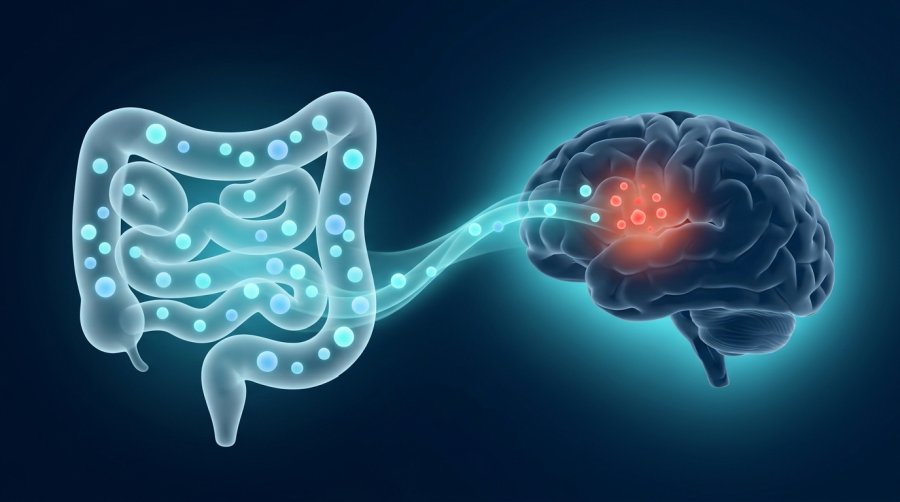
When we think about a stroke, we think about the brain. But new research suggests that trillions of bacteria in your gut may influence how badly a stroke damages it. The study, published in the journal Cell, points to a single chemical as a key player.
What happens during a stroke?
An ischemic stroke happens when a blood clot blocks blood flow to part of the brain. The damage doesn’t stop there. The body’s immune system rushes in, and sometimes the inflammation it causes does more harm than good. Scientists call this a “maladaptive” immune response: the defence goes too far.
Where do gut bacteria come in?
Some bacteria in the gut, including certain strains of E. coli, produce a chemical called indole. The researchers found that people and mice with more of these indole-producing bacteria had worse outcomes after a stroke.
The chain of events looks like this:
- Gut bacteria make indole.
- Indole switches on a “sensor” called AHR inside certain immune cells, known as dendritic cells.
- This changes how those cells behave, and the immune response to the stroke becomes more harmful.
Think of dendritic cells as scouts that tell the rest of the immune system how to react. Indole seems to push the scouts toward sending the wrong message.
What happened when they blocked the signal?
In mice whose dendritic cells lacked the AHR sensor, strokes were less damaging. Treating mice with a drug that blocks AHR had a similar effect. More of the helpful gut-derived immune cells reached the protective layers around the brain, there were more calming “regulatory” T cells, and brain inflammation dropped. When the team removed those calming cells, the benefit disappeared, which suggests they are an important part of the mechanism.
The team also transferred gut bacteria from stroke patients into mice. The harmful effects were weaker in mice without the AHR sensor, which supports the same story.
Why does this matter?
Strokes are a leading cause of death and disability, and treatment options after the first hours are limited. This work suggests a new target: not the brain itself, but the signal passing between gut bacteria and the immune system. It also adds to a growing list of ways the gut microbiome may influence ageing-related disease.
The big caveats
- Most of the evidence comes from mice. Human data so far only show a link between these bacteria and worse outcomes.
- No treatment exists yet. AHR-blocking drugs have not been proven to help stroke patients.
- Don’t try this at home. Nobody should change their diet or take supplements based on this study.
This article is general information, not medical advice. If you have symptoms of a stroke, call emergency services immediately.
Source:
Transparency Note: This article was prepared with the assistance of artificial intelligence technologies. Every piece is thoroughly reviewed and verified by our editorial team, who retain full responsibility for the final content.
Picture: Gemini AI