

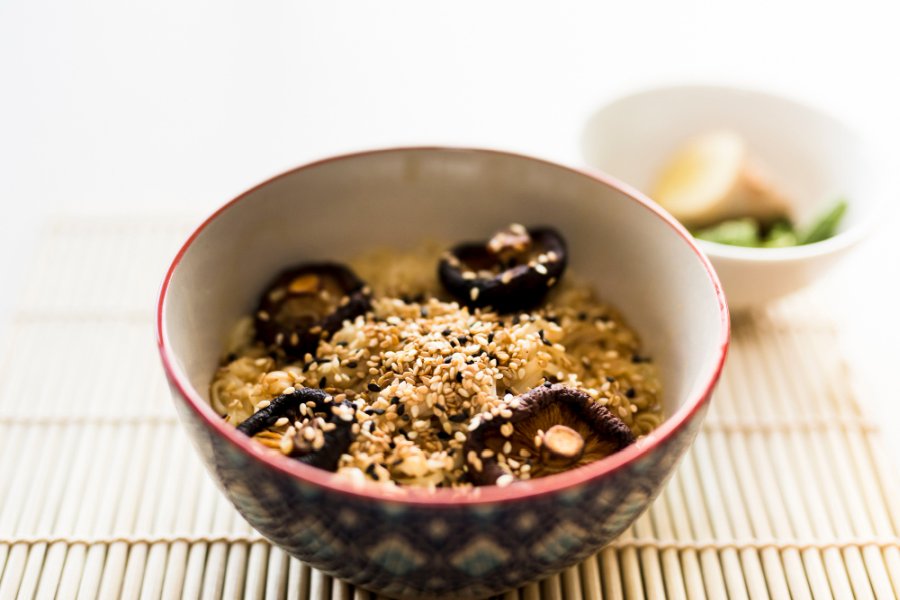
Natto, the sticky, pungent fermented soybean dish of Japan, is becoming a global health food. Decades of research link it to heart health, stronger bones and possibly longer life, though most of the evidence is still observational.
Exports nearly tripled in eight years
According to Japan’s Ministry of Finance, natto exports reached 5,248 tons in 2025, almost three times the 2017 figure. China and the United States are the biggest buyers, New Atlas reports. The growing appetite is striking given the food’s reputation. Natto is made by fermenting cooked soybeans with Bacillus subtilis var. natto, which gives it a strong smell and a stringy, slimy texture that surprises most first-timers. It can be eaten on its own, but it also works as a topping or a mix-in that masks the flavour.
A nutrient-dense, low-calorie food
A 50-gram serving contains 8.3 grams of protein, 4.8 grams of fibre, 50 milligrams of magnesium and 330 milligrams of potassium. Natto is also an unusually concentrated source of vitamin K2, in particular the form called menaquinone-7 (MK-7). Vitamin K supports blood clotting, and K2 is especially linked to bone metabolism.
Heart health and lower mortality
The strongest signals come from large population studies. In the Takayama study of nearly 30,000 people, published in the American Journal of Clinical Nutrition in 2017, those who ate the most natto had a significantly lower risk of dying from cardiovascular disease than those who ate the least, even after adjusting for other influencing factors.
A 2020 BMJ study of 92,915 adults found that regular consumers of fermented soy had 10–11% lower all-cause mortality on average, although the category also covered other soy products. Natto on its own was again tied to fewer cardiovascular deaths.
A long, 15-year study of 1,548 elderly Japanese men, reported in 2025, found a 40% lower risk of death from any cause among regular natto eaters compared with those who never ate it. Its authors acknowledged limitations such as self-reported diet.
Nattokinase, a key enzyme in natto, also appears to lower blood pressure, even in short studies. A 2023 paper concluded it can serve as an adjunct therapy for hypertension, but found no significant lipid-lowering effect at low doses, and said more work is needed to see whether the benefits depend on dose.
Bones and gut: promising, but early
Natto is the richest natural source of MK-7, which is involved in activating osteocalcin and mineralising bone. A late-2025 meta-analysis of six studies found that habitual natto consumption was associated with better vitamin K status and bone metabolism markers in Japanese populations. An earlier study had already examined fracture risk in post-menopausal women in Japan.
For gut health the picture is thinner. In a small study of 44 women who ate 40 grams of natto or boiled soybeans daily for two weeks each, natto raised faecal Bacillus levels but did not change bowel habits, so the downstream effects remain unclear.
Supersulfides: a new line of research
Earlier this year, researchers reported that microbial fermentation significantly changes the profile of supersulfides, metabolites involved in cellular metabolism, in plants. They suggested the molecules abundant in natto may contribute to its health-promoting effects, which has sparked growing interest in their role in disease prevention.
Promising, but not proven
Most of the evidence so far comes from observational research, which can show association but not cause. Still, with longitudinal data piling up, natto is likely to feature more prominently in discussions of healthy ageing.
Source: New Atlas, Bronwyn Thompson
https://newatlas.com/diet-nutrition/japan-superfood-natto-longevity
Transparency Note: This article was prepared with the assistance of artificial intelligence technologies. Every piece is thoroughly reviewed and verified by our editorial team, who retain full responsibility for the final content.
Picture: Freepik (illustration only)